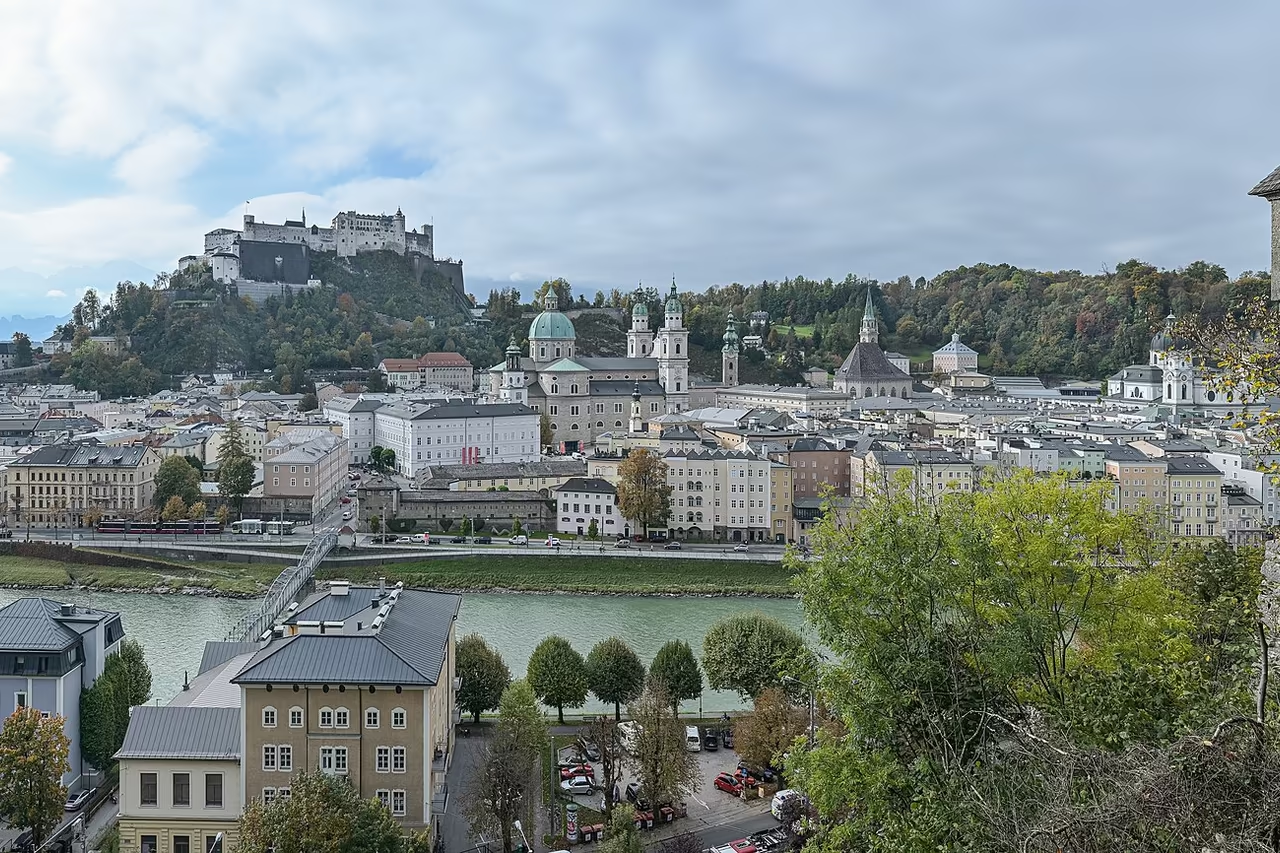
Anchor baseSalzburg
The compact cultural city, arrival hinge, and strongest all-round base.
Open the decision →Choose between Salzburg's riverbanks and the lake towns before you compare places to stay. Our guides show which base suits your days, how to reach Hallstatt, and when a different city makes more sense.
Choose your travel style, time, transport, and crowd tolerance. The finder separates Salzburg as an anchor, Hallstatt as a timed day, Bad Ischl as a junction, and the Wolfgangsee as a slow lake base—then exposes the trade behind the recommendation.
The compact cultural city, arrival hinge, and strongest all-round base.
Open the decision →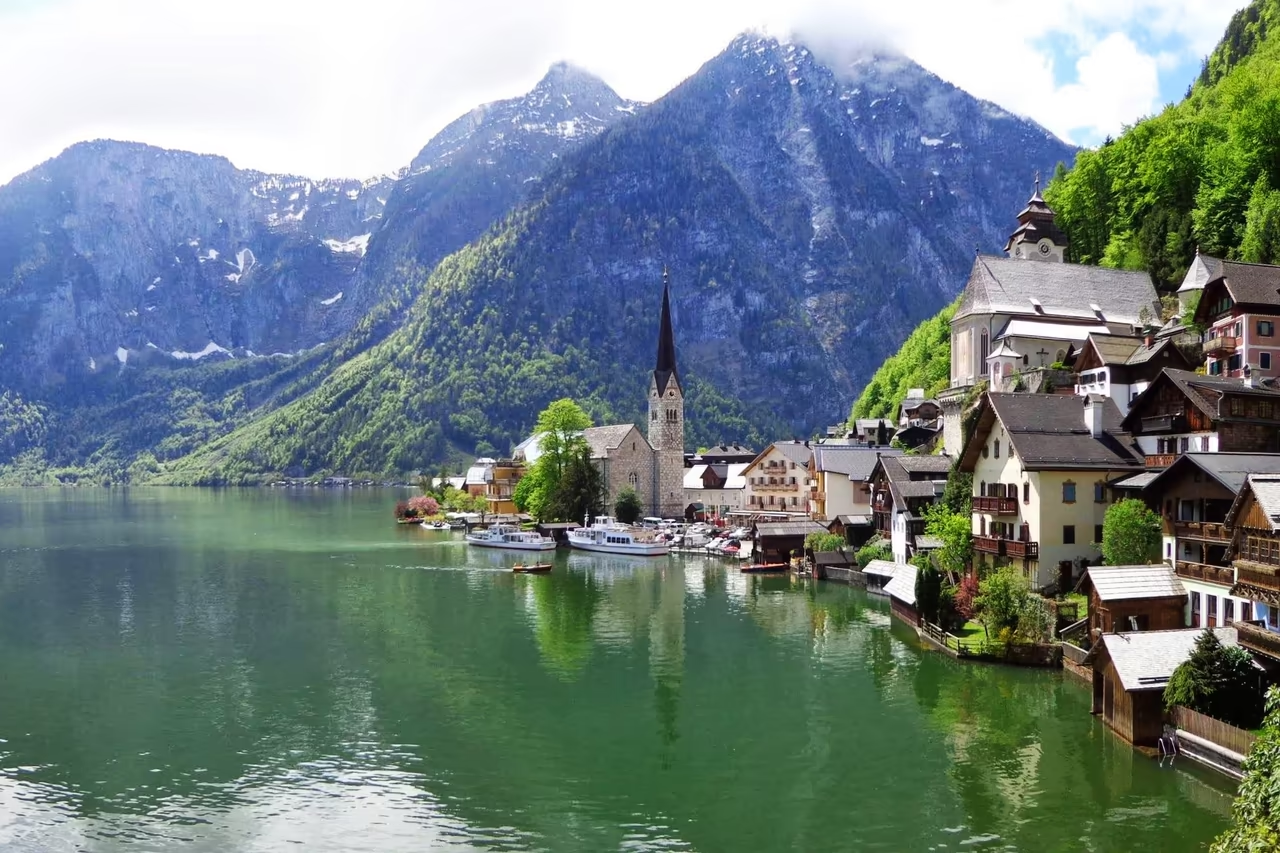
The iconic draw, best treated as one carefully timed day rather than a default base.
Open the decision →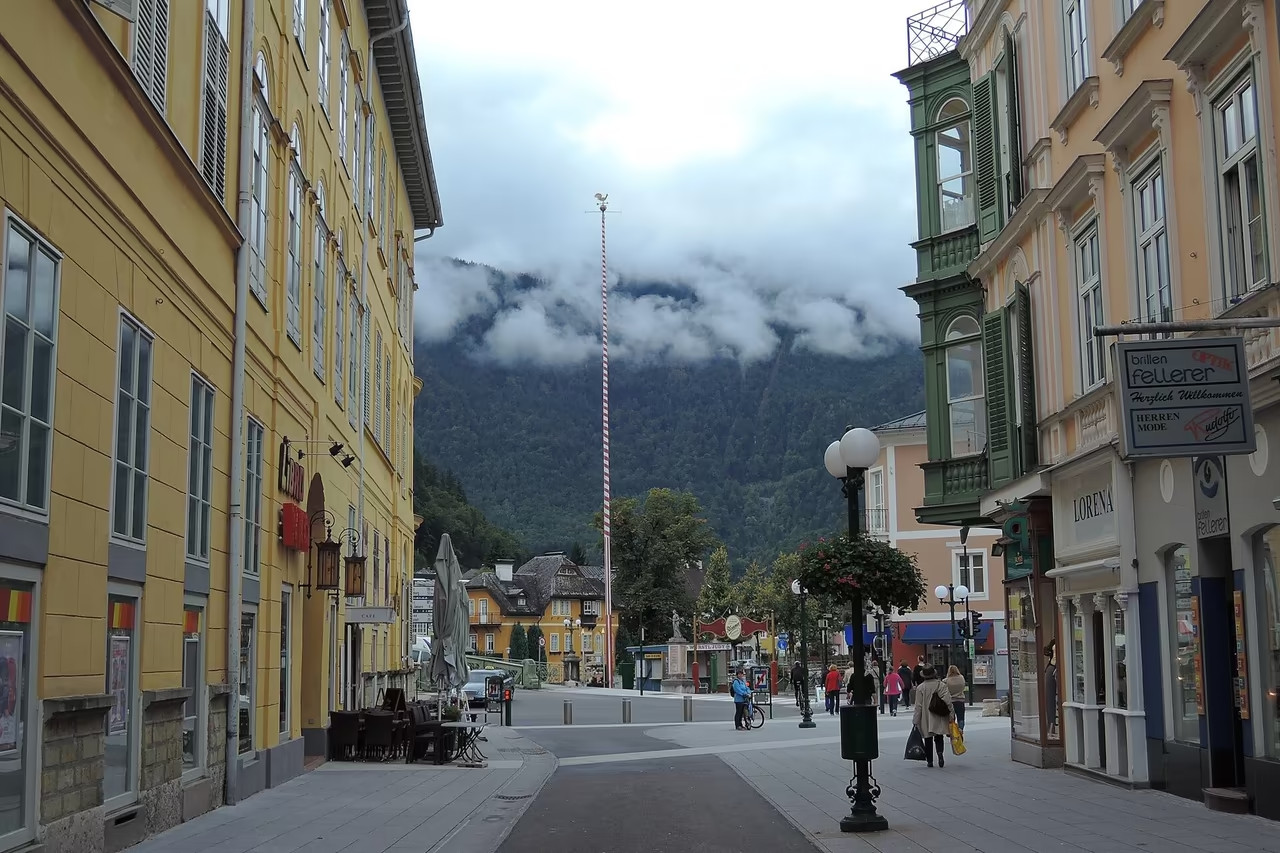
The practical Salzkammergut base with a real town centre, rail, and Postbus interchange.
Open the decision →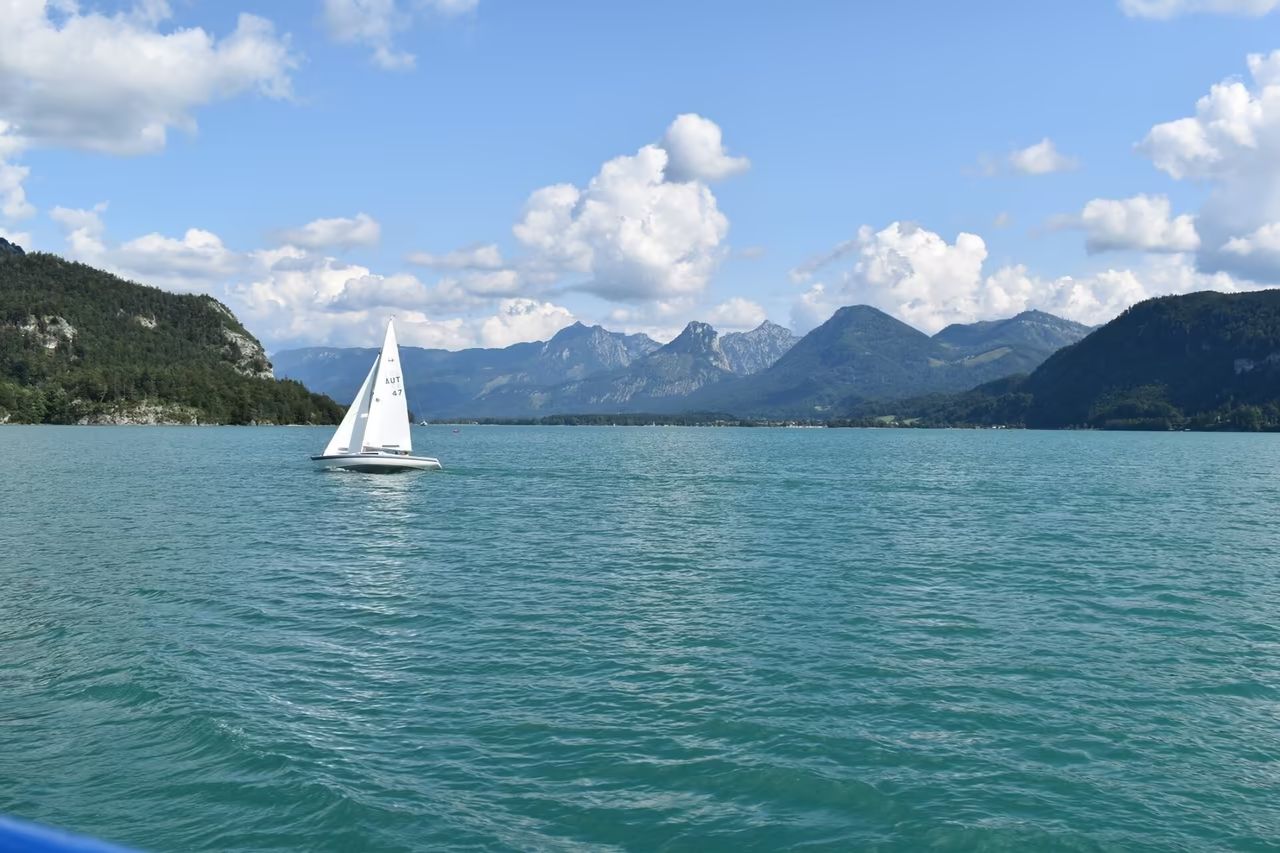
The water-first choice: St. Wolfgang for the postcard, St. Gilgen for quieter Salzburg access.
Open the decision →Each guide takes one real choice, gives a direct answer, and names the trade. Start with the question that matches the trip you are planning.
Compare Salzburg and Vienna for museums, imperial sights, lakes and trip length — and see when one city or both fit your first Austria itinerary.
Choose Salzburg for its baroque old town and Salzkammergut lake trips, or Innsbruck for the Nordkette and Tirol. Compare the sights and onward routes.
Plan a Hallstatt day trip from Salzburg around the midday coach peak, the train-and-ferry or bus route, and the case for staying overnight.
Compare Salzburg's Altstadt, right bank, Nonntal and station area for atmosphere, value, day trips and the most practical hotel location.
Plan two days for Salzburg, then use extra days for Hallstatt, Bad Ischl, Wolfgangsee or Berchtesgaden — with a clear four-day itinerary.
Choose the best Salzkammergut base: St. Gilgen for access, St. Wolfgang for scenery, Mondsee for swimming or Bad Ischl for transport.
Salzburg is the base. Hallstatt is a day trip with almost no beds. Bad Ischl and the Wolfgangsee are choices of where to stay. Vienna, Munich, and Innsbruck are arrival context — the places you come from, or the trips you should take instead of this one.
Salzburg's prince-archbishops drew salt wealth from Dürrnberg and Hallein. Hallstatt's mines belonged to the separate Habsburg Salzkammergut administration. Read these neighbouring histories together without confusing their treasuries, and the region stops being scenery.
Explore Salzburg and the Salzkammergut through salt, prince-archbishops, Hallstatt's Habsburg history, Mozart, the Festival and imperial Bad Ischl.
Salzburg and the Salzkammergut share a salt theme but not a single treasury. Dürrnberg and Hallein belong to Salzburg's prince-archbishopric story; Hallstatt and the Salzkammergut belong to a separate Habsburg salt administration.
Salzburg's archbishops were prince-archbishops: sovereign rulers of their own state within the Holy Roman Empire until 1803. Dürrnberg salt revenues helped Wolf Dietrich reshape their capital on an Italian model.
Hallstatt's Iron Age graves were so rich and so distinctive that archaeologists named a whole European period the Hallstatt culture. A hamlet of about 740 people gave the deep past a proper noun.
Franz Joseph summered at Bad Ischl for decades and the court followed, turning a mining town into a spa resort and the Salzkammergut into a fashionable lake district. The villas, the boats, and the cog railway are all that habit's residue.
Mozart was born here in 1756 and left for Vienna in frustration; the Festival, founded in 1920, rebuilt the city around him. The Sound of Music added an international layer Salzburg long resisted and eventually embraced.
Most Salzburg itineraries go wrong the same way: they add a third city day the city cannot carry, treat Hallstatt as an afternoon, and pick a lake base for a trip whose days are all in town.
Check current rail and Postbus times, seasonal boats and cableways, festival dates, and the Hallstatt coach peak. The guide explains the trade; the linked operator holds the live timetable or opening status.